
5 Live Sound Engineering Lessons from Abbey Road Institute Alumni
Advice from Abbey Road Institute alumni working behind the faders.
When students join our Advanced Diploma in Sound Engineering and Music Production, many imagine careers in recording studios , but live sound engineering offers an equally creative, fast-paced and in-demand career path.
Previously, we covered some essential roles in live sound. From FOH sound designer to stage hunts, showing you their importance in creating a memorable live experience. Today, we bring you the insight from two Abbey Road Institute alumni: Nicola Veronese, live sound engineer at the Royal Opera House, and Jessica Heap, a broadcast and live engineer working with some of the UK’s largest broadcasters, such as Heart, Capital, and Radio X. From theatres and festivals to radio studios and touring bands, they shared their experiences and key takeaways for anyone considering this path.
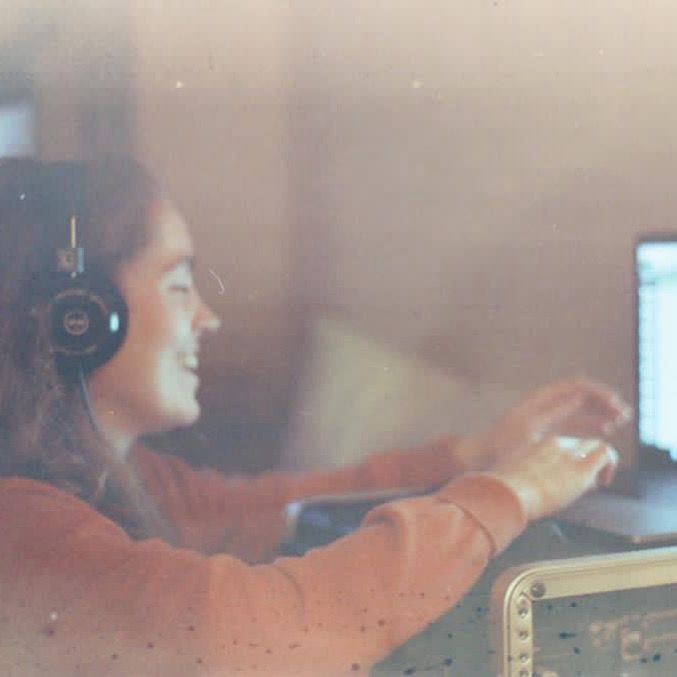
Behind the scenes with Jessica Heap | Broadcast and Live Engineer
1. Embrace the adrenaline
How do live sound engineers stay calm under pressure when things go wrong?
Working in live sound means dealing with the unexpected. Cables fail, artists change their minds, and sometimes the Wi-Fi doesn’t want to cooperate.
Jessica, who works with major UK broadcasters like Heart, Capital, and Radio X, recommends remembering that “… no one has died if something goes wrong”. There is always a way to fix things, and as long as you stay in the game, everything will be okay in the end.
Nicola, a live sound engineer at the Royal Opera House in London, adds to that:
“Sometimes you don’t have the time to move mics or tweak endlessly. You just need to react, stay focused, and trust your instincts.”
That ability to stay calm under pressure is what defines a great live engineer.
2. Why people skills matter
Why are communication and people skills so important in live sound engineering?
Live sound is a team effort. You’re working with musicians, stage crews, and producers — all under time pressure. Knowing how to communicate is just as important as knowing how to EQ a vocal.
“Patience is everything,” says Nicola. “Sometimes you deal with big egos or last-minute changes, but if you stay calm, friendly, and firm, things always work out.”
At Abbey Road Institute, we often talk about the importance of soft skills. These moments in live environments are where they truly make a difference.
“Confidence in your work is crucial. There’s always someone asking you to turn something up — but you have to trust your mix.” Jessica.
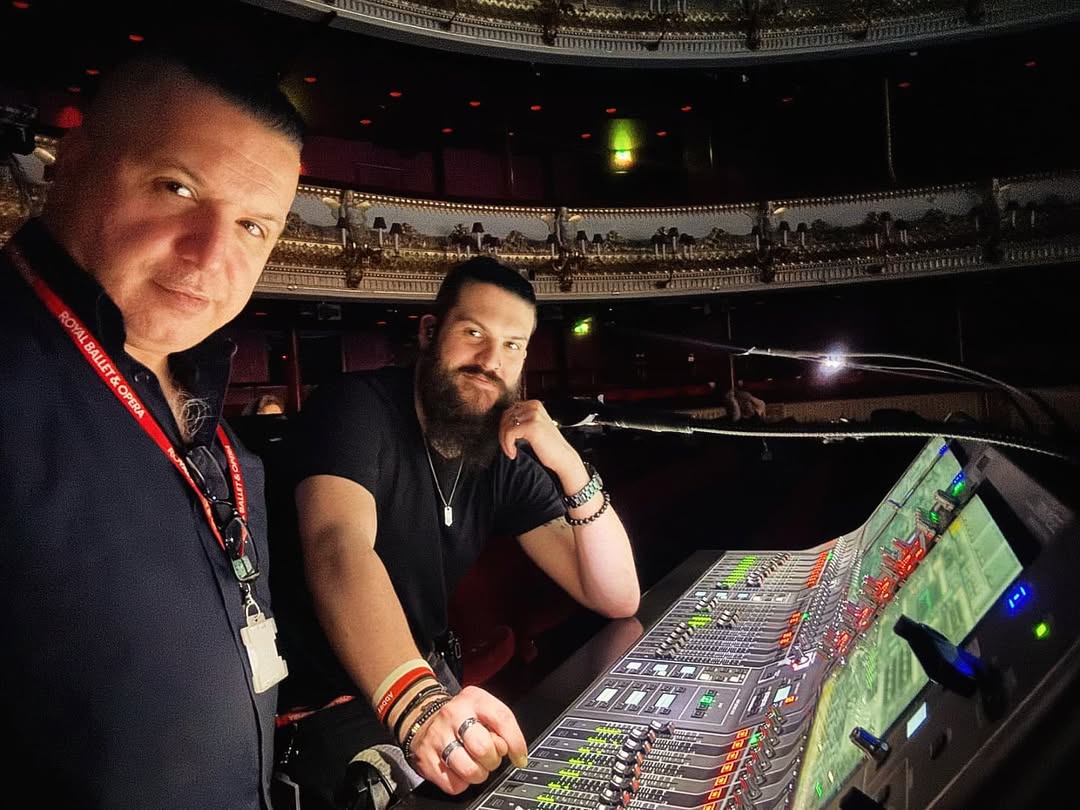
Behind the scenes with Nicola Veronese | Sound Engineer at the Royal Opera House
3. Keep it simple
Why is simplicity essential in live sound setups and workflows?
In live audio, simplicity is your best friend. Having a reliable system is key to obtaining the best results.
Many engineers try to create intricate and creative processes to get things done (mainly because we love gear and technology). But working smart doesn’t mean working hard or making things complicated. It’s about getting results quickly and consistently.
“When I started, I used to over-process everything. Now I just try to make it sound natural and comfortable, not loud for the sake of being loud.” – Nicola
But if you have to remember something, one golden rule both Nicola and Jess agree on:
“Always bring spare batteries.”
4. Learn to read the room
How do live sound engineers adapt their mix to different venues and acoustics?
Every space is different, and learning how to adapt your mix to each venue’s acoustics is one of the most valuable skills in live sound. Most of the time, as Nicola puts it, “it’s about enhancing what’s already there instead of overpowering it”.
“In the opera house, you learn that not making it louder actually makes it clearer,” Nicola.
Understanding how the room responds — and using it to your advantage — is what separates a good mix from a great one. But most of the time, you don’t have time to fully understand how the room works unless you work there daily. That’s why working as a team with the in-house engineer is invaluable to get the best sound possible.
“Each venue, each desk, each band teaches you something new. Seeing how other engineers work gives you new ideas and a bigger toolkit.” Jessica.
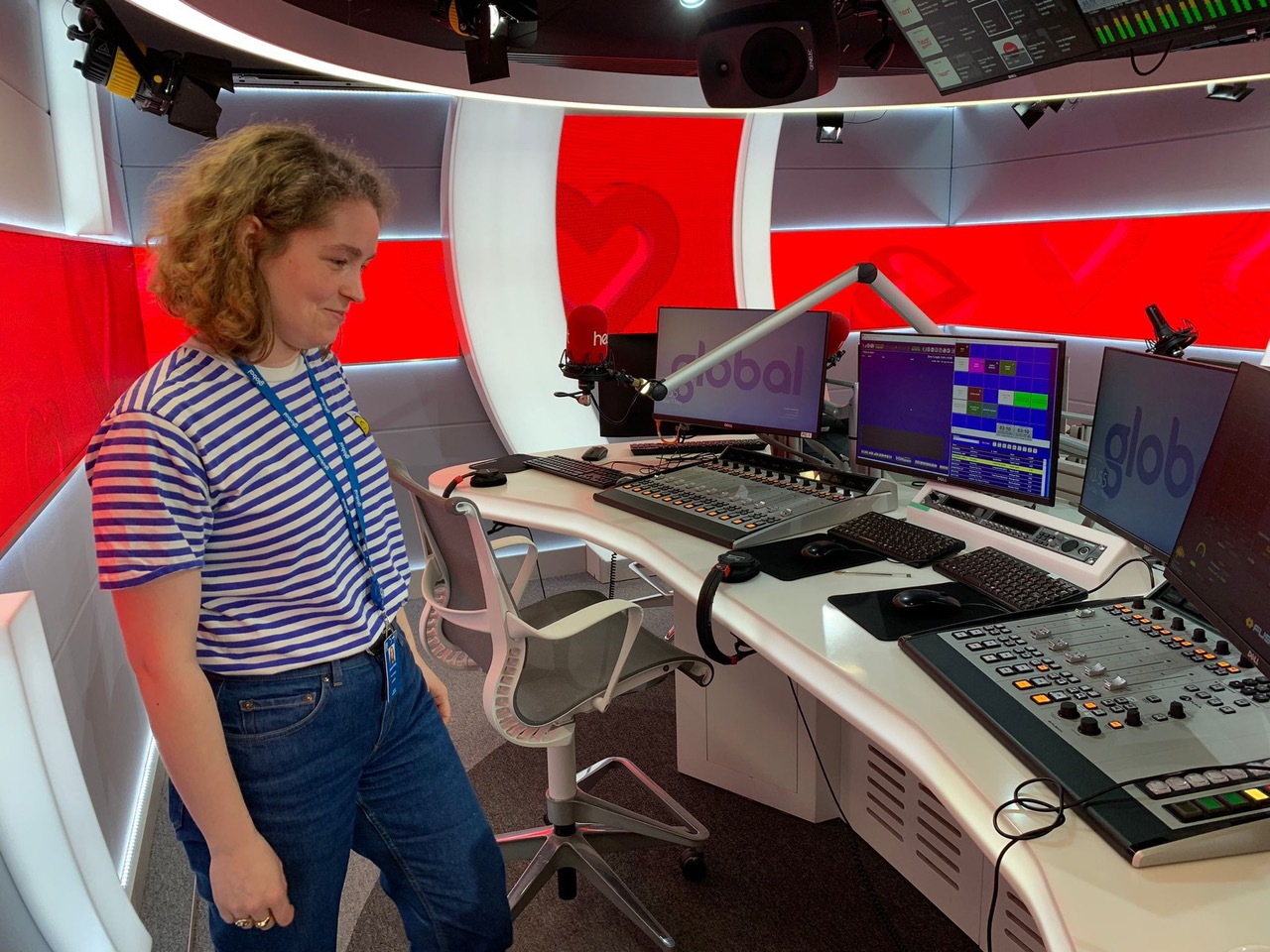
Behind the scenes with Jessica Heap | Global Radio
5. Stay curious
How do I become a live sound engineer?
Many live sound engineers, like Nicola or Jess, begin in entry-level roles such as stage assistant, audio technician, or broadcast runner, learning on the job while supporting more experienced engineers. They both found their way to live-sound engineering through curiosity, adaptability, and a willingness to learn.
Jessica reminded that no matter how well trained or great a student you are, “No one is born with the skills to do this”. “If you’re excited and willing to learn, people are open to teaching you. You’ll pick up so much just by being around.”
Humility and knowing that you will make mistakes along the way are part of the process of becoming a great engineer. As Nicola puts it, “Watch, listen, and learn from others. Every gig teaches you something.”
Live sound is unpredictable, fast-paced, and full of surprises — but it’s also one of the most rewarding areas of audio. Whether you’re mixing a rock concert, an opera, or a radio broadcast, the energy of the moment and the collaboration behind the scenes make it a truly special experience.
Interested in a career in live sound?
Behind every great performance is a team of skilled engineers shaping sound in real time; experience in this environment can be the launch pad for a successful career in sound.
Whether you’re mixing a rock concert, an opera or a radio broadcast, live sound is fast-paced and full of creative challenges, but it’s truly one of the most rewarding areas of audio.
Our Advanced Diploma in Music Production and Sound Engineering gives you hands-on training, industry-led mentorship, and real-world experience to help you succeed. Explore the program and discover how we can help turn your passion for sound into a professional career.
